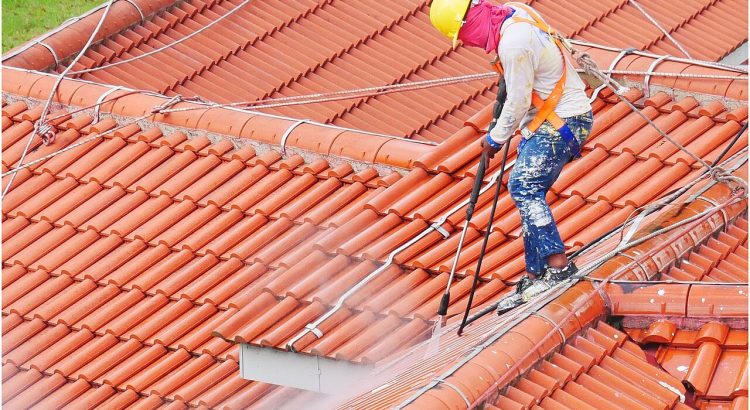
Learn what PSI, GPM, soft washing, downstreaming and surface cleaners mean before you hire, plus typical pricing and the red flags that signal damage risk.
Licensing, permit, lien and tax rules vary by state and city and change over time. This guide is general information, not legal or tax advice; check with your local building department, state licensing board or a professional for your situation.
Checklist
- Soft washing cleans siding at low pressure, typically under 500 PSI, with detergent; pressure washing uses roughly 1,300 to 3,000 PSI on hard surfaces like concrete.
- Industry pricing guides put typical rates at $0.10 to $0.50 per square foot, $50 to $100 per hour, or flat rates between $213 and $449.
- High pressure can etch roofing, decks and siding, blow window seals and force water behind siding, so roofs and siding should be soft washed.
- A written estimate should name the method for each surface, list exclusions, break down the price and state payment terms before you agree.
A pressure washing quote can sound like a different language. A crew might talk about downstreaming the house, running higher PSI on the driveway and soft washing the roof, and expect you to keep up. This glossary explains the terms you are most likely to hear, how companies price the work and where the real damage risks sit, so you can read a quote and ask better questions before anyone unrolls a hose.
Pressure Washing vs. Power Washing vs. Soft Washing
Pressure washing. Cleaning with water pressurized to roughly 1,300 to 3,000 PSI. It relies on force rather than chemicals to blast off dirt, algae, oxidation and grime, and it belongs on durable hard surfaces such as concrete, which tolerates far more pressure than a front door.
Power washing. A term many companies use interchangeably with pressure washing. Some outfits reserve it for work done with a hot water unit, which handles built-up grime on patios and stripping metal before painting.
Soft washing. Low pressure cleaning with a heavier dose of soap, typically under 500 PSI. The detergent does the cleaning: it is applied, left to soak, then gently rinsed. It suits siding, stucco, windows, doors and tile.
House washing. The trade’s name for cleaning a home’s exterior at low pressure, covering siding, trim and soffits. The Power Washers of North America, a nonprofit trade association founded in 1992, teaches this method in a certification course focused on cleaning without damaging the home, nearby plants or surrounding property.
PSI and GPM: The Two Numbers That Matter
PSI (pounds per square inch). The pressure number, or how hard water strikes the surface. Higher PSI cuts through embedded grime on concrete, which is why driveways and patios are the natural targets for force.
GPM (gallons per minute). Water volume, or how much flow the machine delivers. Soft wash setups often run below 700 PSI while putting out more than 6 GPM, flooding a surface with water at gentle force through a wide fan pattern.
Both numbers matter because they do different jobs. Pressure loosens; volume rinses. A pressure washer typically runs 1 to 6 GPM at high force, while a soft wash rig swaps force for flow and chemicals.
Equipment Terms: Surface Cleaners and Downstreaming
Surface cleaner. A flat, round attachment used to clean flat surfaces such as driveways and patios evenly. Surface cleaning is one of the trades the Power Washers of North America counts within the exterior cleaning industry.
Downstreaming. Applying cleaning chemicals at low pressure instead of pushing them through the pump. It is the standard way a pressure washer is converted for soft washing.
Downstream injector. The part that makes downstreaming possible. It fits in the line between the pump and the wand, draws chemicals from a container into the hose at low pressure and costs about $20. An X-Jet nozzle is another option for the same job.
Soft wash rig. A high volume, low pressure setup built to tolerate harsh chemicals running through the pump. A standard pressure washer pump generally cannot handle that, which is why crews that soft wash carry dedicated equipment or use an injector.
Chemical and Detergent Terms
Detergent. The soap side of the trade. Pressure washing uses some detergent, but soft washing depends on it, since the chemical rather than force kills algae and mold.
Sodium hypochlorite. A common soft washing chemical. It can react with the pigment in certain brands and colors of paint, so a careful contractor tests an inconspicuous spot before treating the whole house.
Dwell time. How long the detergent sits on the surface before rinsing. In soft washing, the soak runs about 15 minutes so the solution can penetrate and kill algae and mold.
Runoff (wastewater). The dirty water that leaves the driveway during a wash. Your municipality and the EPA care where it goes under Clean Water Act rules, and responsible contractors handle it rather than letting it flow off the property.
Soft washing is gentler on the house but not harmless. It can hurt plants and other organic matter around the work area, dull paint and etch glass, so it is a poor fit in the middle of plantings, on painted siding or on windows.
How Pressure Washers Quote a Job
Square foot rate. Pricing based on the area cleaned. Industry pricing guides put typical rates at $0.10 to $0.50 per square foot, with the range driven by surface type, condition and method.
Hourly rate. Pricing based on time on site, commonly $50 to $100 per hour. This fits unpredictable work where the scope is hard to nail down in advance.
Flat rate. One price for the whole job, typically $213 to $449 in pricing guides. Flat pricing works when the scope is predictable, and a contractor who prices this way should be building in labor, materials, equipment, overhead, travel, setup and cleanup.
What Should Be in the Quote Before You Say Yes
Estimate. A written document that outlines what is included, a price breakdown and payment terms. It should say which method will be used on each surface, since roof and siding call for soft washing while concrete takes pressure.
Exclusions. What the price does not cover, such as heavy staining, hard-to-reach areas or window cleaning. Getting exclusions in writing prevents surprise add-ons once the crew is already there.
Payment terms. When money changes hands and how much is due before work starts. For recurring exterior cleaning, put the schedule, price per visit and any surcharges in writing, just as you would for any home service contract.
Vetting matters too. Confirm the company is licensed and insured the same way you would for a bigger hire; our guide to checking a contractor’s license walks through the steps.
Red Flags: Damage Risks and High-Pressure Sales Tactics
Red flags
If a quote calls for blasting your roof or siding at high pressure, ask why. High pressure can etch patterns into roofing, decks and siding, damage screens, blow out window seals and force water behind siding, where trapped moisture can lead to mold growth.
Watch for these:
- Roof cleaning by pressure. High pressure can strip granules from shingles and shorten the roof’s life, so roof washing should be a soft wash job. Our roofing terms glossary covers the shingle terms you will hear when you talk to a roof cleaner or roofer.
- Door-to-door pitches. Sudden offers to wash your house, especially after storms, follow the same playbook as other repair scams. Ask for a written estimate and time to compare, not a same-day decision.
- A vague estimate. No method named per surface, no exclusions and no price breakdown mean you cannot compare bids or hold anyone to the price.
- Pressure to sign today. Legitimate companies let you compare quotes. A discount that expires when the truck leaves is a sales tactic, not a deal.
Keep reading
- A Glossary of Siding Terms for Homeowners: useful if the crew will be washing or inspecting your siding, so you know what material you actually have.
- Door-to-Door Repair Scams After Storms: explains the patterns behind unsolicited repair and cleaning offers, which pressure washing outfits sometimes copy.
Homeowners ask
What is the difference between pressure washing and soft washing?
Pressure washing uses force, roughly 1,300 to 3,000 PSI, to clean durable hard surfaces. Soft washing uses low pressure, typically under 500 PSI, plus detergent that soaks for about 15 minutes before a gentle rinse.
How much does pressure washing cost?
Industry pricing guides list typical rates of $0.10 to $0.50 per square foot, $50 to $100 per hour, or flat rates of $213 to $449. Surface type, condition and cleaning method move the final number.
Is soft washing safe for my plants and paint?
It can hurt nearby plants, dull paint and etch glass. Sodium hypochlorite can also react with the pigment in some paints, so a test spot in an inconspicuous area is a smart first step.
What rules apply to pressure washing companies?
Contractors face OSHA workplace safety rules, EPA wastewater rules under the Clean Water Act and DOT transportation rules. The Power Washers of North America, a trade association founded in 1992, trains members on those compliance areas.