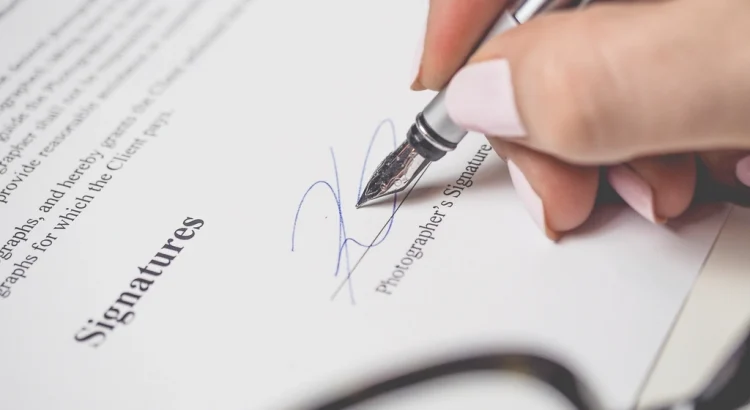
A deposit is normal. A big cash demand before anything is signed is where trouble usually starts. Here is how to check the request, restructure the payments, and protect your money.
Licensing, permit, lien and tax rules vary by state and city and change over time. This guide is general information, not legal or tax advice; check with your local building department, state licensing board or a professional for your situation.
Checklist
- The FTC lists two classic scam tactics together: asking for everything up front and accepting only cash.
- Some states cap deposits; California limits them to $1,000 and Pennsylvania to one third of the project cost.
- Virginia’s consumer guide suggests no more than 10 percent or $1,000 down, whichever is less, unless custom or special-order items justify more.
- Tie every payment to a completed milestone and hold back the final payment until the work is done and you are satisfied.
- Pay with a credit card or another traceable method so you keep a billing dispute process if something goes wrong.
The crew can start Monday, the contractor says, but first he needs a large cash deposit. Slow down before you open your wallet. A deposit is a normal part of the business; a big cash demand before anything is signed is where trouble usually starts. Here is how to check the request, restructure the payments, and protect your money if the job goes sideways.
What to Do Right Away: Slow the Payment Down
The FTC lists two classic scam tactics side by side: demanding payment for everything up front and insisting on cash only. A large cash deposit touches both. That does not make every contractor who wants a deposit a thief. Deposits cover scheduling, permits, and materials, and West Virginia’s attorney general notes that legitimate contractors there typically ask for only about 10 percent. Nothing about a legitimate deposit requires cash that day.
Your first three moves cost nothing:
- Verify the license with your state or county licensing board and ask for proof of insurance. Our guide to checking a contractor’s license explains what to look up.
- Collect written bids from three or more contractors, a step Virginia’s consumer guide recommends. Do not automatically take the lowest bid, and ask why any estimate differs sharply from the rest.
- Ask the contractor to explain the deposit in writing: what it covers and why it has to be cash.
A reputable contractor should be able to cover most supply costs without a large sum from you. One who stalls, pressures, or goes quiet when asked these questions has answered them anyway.
What the Rules Say About Down Payments and Deposits
There is no single national cap on contractor deposits. The FTC notes that some states limit how much a contractor can collect as a down payment, and your state or local consumer agency can tell you the rule where you live. A few examples show the range:
| State | Rule or guidance on deposits |
|---|---|
| California | No deposit above $1,000 |
| Pennsylvania | No more than a third of the project cost in advance |
| Virginia | No more than 10 percent or $1,000, whichever is less; up to 30 percent only when custom-made items or special orders are required |
| West Virginia | The attorney general’s office says legitimate contractors typically request only about 10 percent |
In states without a cap, these figures still work as a sanity check. A contractor who wants half the price in cash before a single board is cut is asking for far more than regulators call typical. Rules differ by state, so confirm the current limit with your licensing board or consumer protection office before you sign or pay.
Red Flags in a Contractor’s Payment Schedule
Read the payment terms the way a regulator would. Treat these as warning signs:
- Payment for the entire job up front. Both the FTC and Virginia’s consumer guide flag this pattern.
- Cash only, or payment apps for everything. Virginia’s tip-offs list contractors who accept only cash or Venmo-type payments. Cash leaves no paper trail; traceable payments do.
- Payments that run ahead of the work. A schedule that pays for labor and materials long before they appear on site carries all the risk for you.
- No final-payment holdback. If the last payment is due before the punch list is finished, you have given up your main reason to get it finished.
- Terms that live only in conversation. If the payment schedule is not in the contract, it does not exist.
How to Structure Payments Around Completed Work
The safer pattern ties each payment to a milestone you can see and inspect. Virginia’s consumer guide suggests making payments contingent on the completion of specific tasks, so if the contractor falls behind, your payments fall behind too.
A hypothetical $24,000 bathroom remodel shows the pattern. You might pay a deposit at the low end of your state’s limit, a payment when demolition and rough plumbing pass inspection, another when tile and fixtures are set, and roughly 10 percent after the final walkthrough. That last payment, $2,400, stays in your account until the work is done and you are satisfied, matching the FTC’s instruction: never make the final payment before then.
Special orders complicate the math. Custom cabinets and made-to-order windows are usually paid in advance and hard to resell, which is why some states allow a larger initial payment when the job genuinely requires them. Virginia’s 30 percent allowance for custom-made items exists for this reason. The contract should show what was ordered, from whom, and what it cost, not just a bigger deposit with a vague explanation.
If you have already paid and the contractor quits mid-project, our guide to what to do when a contractor walks off the job covers the next steps.
Ways to Pay That Preserve Your Dispute Rights
How you pay matters as much as how much you pay. A credit card gives you a billing dispute process: the FTC advises that when a dispute comes up, for example because the goods delivered did not match what you ordered, you tell your card issuer you are disputing the charge. Checks and other traceable methods leave records too; cash leaves none.
Cooling-off rules add another layer. The FTC’s Cooling-Off Rule lets you back out within three days of certain sales closed in your home, at your workplace, in a dormitory, or at a seller’s temporary location, and it also applies when you invite a salesperson into your home for a presentation. Exclusions include sales that happen because you asked the seller to come fix or service something you already own. If a sale is covered, the seller must hand you a dated contract or receipt showing the seller’s name and address and your cancellation right. You cancel by mailing the signed form so it is postmarked by the end of the third business day after you signed.
Red flags
Pay by a method that leaves a record. A contractor who insists on cash or a payment app for a large deposit is giving you a reason to keep interviewing contractors.
What to Get in Writing Before Money Changes Hands
Contract requirements vary by state. Even where a written agreement is not required, ask for one anyway. The FTC says a contract should include, at minimum:
- The contractor’s full contact information: address, phone, and license number
- Anything the contractor promised in person or by phone, including what the work covers and what labor and materials will cost
- Written notice of your three-business-day cancellation right when you sign at home or somewhere other than the seller’s regular place of business
No blank spaces should be left open, including the payment schedule and the completion date. Virginia’s guidance adds start and finish dates and notes that state law requires licensed contractors there to give residential customers a written contract signed by both parties.
When Walking Away Is the Right Call
Some requests should end the conversation rather than start a negotiation. Walk away if the contractor demands the full price in cash up front, cannot produce a verifiable license number, refuses to put the payment schedule in writing, or pressures you to pull any required building permits yourself. The FTC lists that last one as a scam tactic, partly because permits create records tied to a licensed contractor.
Also be wary of someone who shows up uninvited, offers a deal that sounds too good, or claims to have materials left over from a neighbor’s job.
If you already paid and suspect fraud, report it to the FTC, to the attorney general’s office in your state, and to the consumer protection office where you live. State law sometimes gives you stronger protections than federal rules, and local consumer offices can often help work out a complaint.
Keep reading
- How to Hire a Contractor Without Regrets: the full vetting process to complete before a deposit is ever discussed.
- When a Contractor Job Goes Wrong: your options when work or payment has already gone sideways.
Homeowners ask
How much of a deposit is reasonable for a home improvement job?
Rules vary by state, and some states set legal caps. Even without a cap, several states describe 10 percent or $1,000 as typical, so a request far above that range deserves questions.
Is it illegal for a contractor to ask for cash?
No law generally bans cash payments, but the FTC lists contractors who only accept cash among scam warning signs, and cash leaves no record you can use in a billing dispute.
Can I cancel a contract I signed at my kitchen table?
The FTC’s Cooling-Off Rule lets you cancel certain at-home sales within three days, and the contract must state that right in writing. Some state laws give you additional rights.
When should I make the final payment?
Never make the final payment until the work is done and you are satisfied with it. Holding back roughly 10 percent until the walkthrough keeps pressure on the contractor to finish punch-list items.