Most whole-house rewires land between $6,000 and $20,000, but access, plaster walls, and a panel upgrade can swing the number fast. Here is what drives the price, line by line.
Licensing, permit, lien and tax rules vary by state and city and change over time. This guide is general information, not legal or tax advice; check with your local building department, state licensing board or a professional for your situation.
Checklist
- Most full house rewires cost between $6,000 and $20,000, with per-square-foot pricing commonly between $6 and $10.
- Labor makes up 50 to 70 percent of the total, and limited wall access can add 20 to 30 percent to labor costs.
- Upgrading to 200-amp service typically adds $1,500 to $3,000, and drywall repair after the job adds another $1,000 to $5,000.
- Cutting into and patching finished walls can add roughly 25 to 33 percent to the job, so attic or crawl space access saves real money.
- Permits and inspections confirm the work meets code, and unpermitted electrical work usually surfaces as a problem when you sell the house or file an insurance claim.
A whole-house rewire rarely makes anyone’s wish list. The project usually starts with flickering lights, breakers that trip, or a home inspector’s note about an aging panel, and it ends with an invoice that ranks among the largest single expenses most homeowners ever face. Most full rewires land between $6,000 and $20,000, though published estimates for the full range run from about $2,000 to $30,000. That spread is worth understanding before you sign anything, since two electricians can price the identical house thousands of dollars apart once access, wall material, and the electrical panel enter the picture.
What a Rewire Involves Beyond New Wire
Rewiring sounds like a wire swap, but the wire is only part of it. A complete project means stripping out outdated wiring, running new circuits through the house, installing new outlets and switches, and connecting everything to a modern circuit breaker panel, all built to current electrical code. It also spans planning, permits, panel work, and post-installation testing, which surprises homeowners who budgeted for wire alone.
Labor dominates the bill. Labor typically accounts for 50 to 70 percent of the total, with materials making up the remaining 30 to 50 percent. That split matters when you compare bids, because a quote that looks cheap on paper may be thin on the labor hours where quality problems start.
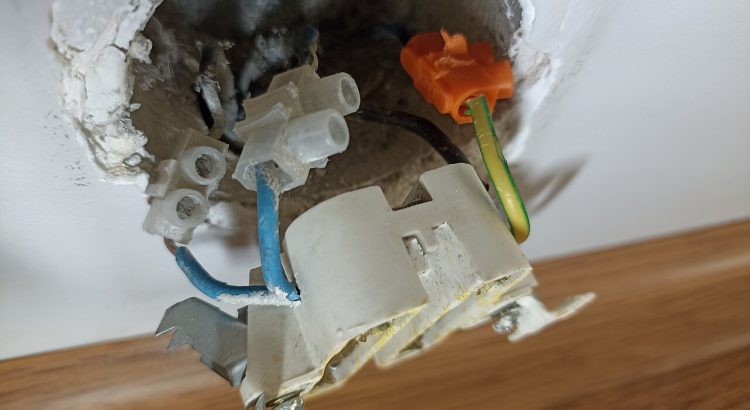
There is a safety case behind the price, too. Electrical issues are the third most common cause of house fires in the United States. Aluminum branch wiring put in before the early 1970s is much more likely to develop hazardous connections than copper, and homes more than 30 years old often have systems that were never designed for today’s electronics. Signs that push electricians toward a rewire include lights that flicker, breakers that trip again and again, two-prong outlets with no ground connection, cover plates that feel warm or look scorched, an odor like burning plastic, and an old fuse box where a breaker panel belongs.
Typical Price Ranges by Home Size
Size sets the starting point. Per-square-foot pricing for a complete rewire commonly lands between $6 and $10, though published estimates run from about $2 to $17 depending on what each figure includes. A 1,300-square-foot house may cost $7,800 to $13,000, while a 2,500-square-foot home can run $15,000 to $25,000.
For a standard residential rewire using copper wiring to current National Electrical Code standards, one set of estimates breaks down like this:
| Home size | Typical rewire cost |
|---|---|
| 1,000 square feet | $8,000 to $12,000 |
| 1,500 square feet | $12,000 to $18,000 |
| 2,000 square feet | $16,000 to $24,000 |
| 2,500 square feet | $20,000 to $30,000 |
These figures cover the electrical work itself, meaning new receptacles, switches, and circuit runs tied into a modern panel. They generally exclude panel upgrades and drywall or plaster repair, which show up as separate line items and are where budgets come apart. Most homes between 1,500 and 2,500 square feet run $8,000 to $20,000 for the full rewire including permits, before any wall repair.
What Drives the Cost Up: Access, Plaster and Knob-and-Tube
Access is the biggest swing factor after size. When an electrician can pull cable through an attic, basement, or crawl space, the job moves faster and costs less. Limited access can add 20 to 30 percent to labor costs, and cutting open and patching finished walls can tack on roughly 25 to 33 percent of the total price of the job.
Wall material compounds the problem. Plaster and lath were standard in homes built before the 1950s, and plaster is harder to open and repair than the drywall that replaced it. Rewiring a house with plaster walls generally falls between $6,000 and $12,000, and a 1,500-square-foot plaster home can run $8,000 to $15,000 depending on the job’s complexity and your location. Patching plaster is its own skill. Lime-based repair products set slowly, resist cracking, and need no sanding, while the hard-setting patching plaster sold at home centers is much harder than the original wall and tends to crack or delaminate.
Old wiring types raise the number as well. Knob-and-tube and aluminum wiring mean a larger scope of work than replacing outdated copper, because the old material has to come out entirely. Two-story homes and finished basements push costs up too, since they remove the easy horizontal runs that make wiring simple.
Panel and Service Upgrades That Often Come With It
The panel is usually the second-biggest line item. Upgrading to 200-amp service typically adds $1,500 to $3,000 to the project, and homes moving from 100-amp to 200-amp service tend to fall at the higher end of rewire ranges. Undersized panels cannot safely support modern loads such as HVAC systems, EV chargers, and kitchen appliances, so the upgrade often happens alongside the rewire rather than after it.
A fuse box is the clearest signal that panel work belongs in the scope. If your home still has one, plan for the replacement from the start and make sure it appears as its own line in every bid, so you can compare quotes on equal terms.
Permits, Inspections and Patching Afterward
Permits and inspections are not optional extras. They confirm the work meets code and give you a record that an inspector signed off on it, and doing the job without them usually backfires when you sell the house or file an insurance claim. Local rules vary, so check with your building department about what your project requires; the basics are covered in do you need a building permit?. Permits add to the timeline and the cost, and a post-installation inspection is part of doing the job properly.
Patching is the cost homeowners forget to budget. Drywall repair after a rewire runs $1,000 to $5,000 based on how many walls and ceilings the crew had to open, and many electrical quotes leave it out. Plaster homes usually need more repair, because large holes from electrical work mean repairing the lath and rebuilding the plaster in coats before the wall looks whole again. If a ceiling in an old home is failing anyway, taking it down gives the electrician open joist bays to work through, which can cut wall damage elsewhere in the house.
How Electricians Quote the Job
Several factors determine where a specific home lands in the range: square footage, the number of stories, how accessible the walls and attic are, the age of the existing wiring, whether the panel needs an upgrade, and local permit fees. Regional labor rates for licensed electricians move the price too, and material costs such as copper feed into the total.
Given the variables, get more than one bid and compare them line by line. Verify licensing yourself instead of taking it on faith; the steps in how to check a contractor’s license take only a few minutes. A licensed electrician is the baseline rather than a bonus, because the work has to comply with current electrical code to pass inspection. Ask how each quote handles surprises as well. Older walls hide conditions no one can see from the outside, and a bid that anticipates plaster repair or extra work fishing cable through finished walls will read higher for a reason.
Where Homeowners Can and Cannot Save
You cannot safely cut the permit, the inspection, or the license. Unpermitted electrical work creates problems at resale, can complicate insurance claims, and leaves you with no record that an inspector ever checked the work.
You can save on access and finish work. Route new cable through attics, basements, or crawl spaces wherever the house allows, and clear the way before the crew arrives. If you are handy, ask whether the bid excludes patching and painting; handling some of that finish work yourself is where careful homeowners trim real dollars, though plaster repair takes practice. Also settle who coordinates the wall repair, whether the electrician arranges it or you hire your own, and get the answer in writing.
Payment is the last piece to plan. Homeowners cover a rewire a few different ways, from money already saved to a home equity arrangement, a refinance that pulls cash out of the house, or a loan taken specifically for home improvements. Which one fits depends on your own finances and how the house is financed, so compare terms carefully instead of jumping at the first offer that crosses your screen.
Tip
If your house has an accessible attic, basement, or crawl space, say so when electricians quote the job. Limited access can add 20 to 30 percent to labor costs, so easy routes through unfinished space can take a real bite out of the total.
Keep reading
- What a home improvement contract should say: the terms to get in writing before a rewire crew opens your first wall.
- What insurance your contractor should carry: the coverage to verify before anyone starts cutting into plaster or drywall.
Homeowners ask
How much does it cost to rewire a 1,500-square-foot house?
One set of estimates puts a 1,500-square-foot rewire at $12,000 to $18,000. With plaster walls, a home that size can run $8,000 to $15,000 depending on the job’s complexity and your location.
Does a rewire quote include the panel upgrade and drywall repair?
Usually not. A panel upgrade to 200-amp service typically adds $1,500 to $3,000, and repairing drywall afterward runs another $1,000 to $5,000, so confirm exactly what each bid covers before you compare prices.
What are the warning signs that a house needs rewiring?
Signs include lights that flicker, breakers that trip again and again, two-prong outlets with no ground connection, cover plates that feel warm or look scorched, an odor like burning plastic, and an old fuse box where a breaker panel belongs. Any of these warrants a licensed electrician’s evaluation.
Can I save money by skipping the permit?
No. Permits and inspections exist to confirm the work meets code, and doing the job without them usually backfires when you sell the house or file an insurance claim.