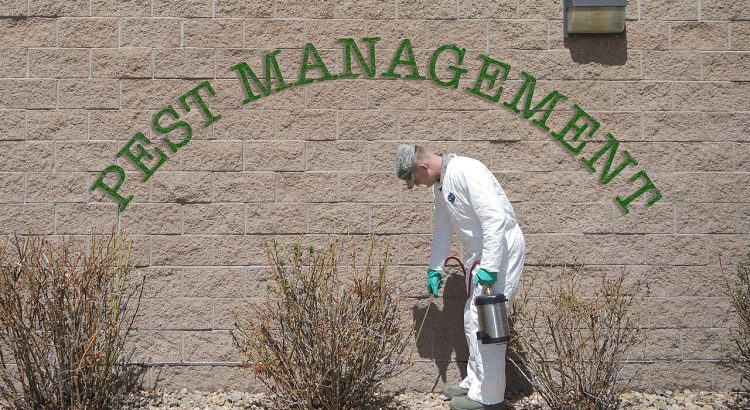
A plain-English explainer of integrated pest management: the four steps, how an IPM visit differs from a spray-first service, and what a good company will ask and charge for.
Licensing, permit, lien and tax rules vary by state and city and change over time. This guide is general information, not legal or tax advice; check with your local building department, state licensing board or a professional for your situation.
Checklist
- Integrated pest management (IPM) manages pests by the most economical means with the least possible hazard to people, property and the environment.
- An IPM program follows four steps: set action thresholds, monitor and identify pests, prevent them, and only then use targeted controls.
- Prevention means cutting off food, water, shelter and entry points, not applying pesticide on a schedule.
- Studies cited by the EPA show IPM is the most effective way to control pests in the home.
- Ask any company how it decides when to treat, whether it identifies the pest first, and what exclusion work it recommends.
Most pest control pitches start the same way: a recurring spray plan, billed monthly, whether or not you currently have a pest problem. Integrated pest management, usually shortened to IPM, starts somewhere else. The EPA describes it as an approach that manages pest damage in the most economical way, with the least possible hazard to people, property and the environment. Here is what that means for an actual visit, the bill and your own to-do list.
What Integrated Pest Management Actually Means
IPM is not a single product or method. The EPA calls it a series of pest management evaluations, decisions and controls. Most programs follow four tiers: set action thresholds, monitor and identify pests, prevent pests, and use controls only when those steps say they are needed.
In and around buildings, structural IPM works to eliminate or reduce the food, water and hiding spots pests depend on, and to limit how pests get into and move through a building. The EPA cites studies showing IPM is the most effective way to control pests in homes.
One distinction matters. IPM uses all appropriate pest management options, including pesticides used carefully. It is not the same as organic pest control, which limits itself to naturally derived products. An IPM program can still use a synthetic pesticide when it is the lowest-risk tool for the job.
Step One: Inspection and Monitoring
A real IPM visit begins with looking, not spraying. The technician should inspect where pests live and travel, place monitoring traps, and identify what pest is present and roughly how many.
Not every insect requires control, and many organisms are harmless or even beneficial. Accurate identification prevents pesticides being used when they are not needed, or the wrong product being used, and control methods differ by species. For a second opinion on what is crawling in your kitchen, the National Pesticide Information Center suggests contacting your local county extension office.
Setting Action Thresholds Before Treating
Before any treatment, an IPM program sets an action threshold: the point at which a pest population or condition calls for action. A single ant in the bathroom is not automatically a reason to spray. The threshold is the level at which the pest will cause real harm, and it guides every later decision.
A good company can explain its threshold for your situation in plain language. If a service treats on every visit no matter what it finds, thresholds are not part of the program.
Exclusion and Sanitation: Fixing the Cause First
Prevention is the first line of control in IPM, and in a house it comes down to cutting pests off from food, water, shelter and entry routes. The National Pesticide Information Center’s household guidance reads like a to-do list:
- Close up entrances and exits. Check near windows, doors and piping for small holes and cracks, and seal them.
- Cut clutter. Clutter gives pests places to hide even if it does not attract them.
- Remove food and moisture sources. Store human and pet food in sealed containers, fit garbage cans with tight lids, fix faucet leaks, and keep indoor humidity relatively low.
- Check items coming into the home. Used furniture, rugs and clothing can carry hitchhikers.
Expect an IPM-based technician to spend part of the visit on this list rather than on the sprayer, and to hand some of the work back to you. The EPA is blunt that effective programs take a team effort between residents and the people who maintain the building. A plan that never asks the homeowner to change anything is a spray plan wearing a nicer label.
Tip
Get the exclusion work, monitoring schedule and treatment plan in writing before you pay. The questions that protect you on a remodel apply here too; our contract checklist covers what a written agreement should say.
Choosing the Least-Risky Treatment That Works
When thresholds are crossed and prevention is not enough, IPM calls for control chosen to minimize risk to people, pets, nontarget organisms and the environment. Treatments target the pest causing the problem rather than blanketing the area.
For cockroaches, university IPM guidance is direct: sprays do not provide long-term control, and baits work better. Boric acid powders and desiccant dusts can be applied into hollow walls and other undisturbed hiding spots, where they stay effective as long as they stay dry.
For bed bugs, the EPA has registered more than 300 products, but some populations have become resistant to the most common class, pyrethrins and pyrethroids. Desiccants kill by destroying the insect’s waxy outer coating, a physical mode of action, so bed bugs cannot develop resistance to them. That is why identification comes first.
Pesticides are meant to be toxic to pests, and used improperly they can be toxic to people, with children, older adults and people with compromised immune systems especially vulnerable. Misuse is also wasteful: some pests develop resistance, which forces stronger chemicals later.
How an IPM Visit Differs from a Routine Spray
The differences show up in what the technician does during the visit and on the bill.
An illustration, not a real estimate. Say you call about roaches in the kitchen. A spray-first service might treat on the first visit with a broad-spectrum spray around the baseboards and set up monthly returns regardless of what it finds. An IPM service identifies the species first, inspects for the moisture and food sources sustaining it, places monitoring traps, recommends sealing gaps under the sink and fixing a slow drain, applies bait in targeted spots, and returns to check the traps and adjust. Expect to pay more for the first inspection and follow-up and less for routine chemical applications; pricing varies by region, company and the size of the problem.
| Routine spray visit | IPM-based visit | |
|---|---|---|
| First step | Apply pesticide on schedule | Inspect, monitor and identify the pest |
| Timing | Regular intervals regardless of pests | Treats when thresholds are crossed |
| Materials | Broad-spectrum sprays where exposure is easy | Targeted baits, dusts and traps chosen for lowest risk |
| Follow-up | Repeat the same application | Check monitors and adjust the plan |
Questions to Ask a Pest Control Company About IPM
Any company can put IPM on its website. The interview sorts real programs from labels. Ask:
- How do you decide when to treat, and what is your action threshold for my pest?
- Will you identify the pest and show me the evidence before treating?
- Will I get written inspection findings and a written treatment plan?
- What exclusion and sanitation work do you recommend, and who does it?
- What pesticide, if any, are you proposing, why is it the lowest-risk option, and is it registered for this use? The EPA says to read the product label first and follow its directions.
- What is my homework, and what happens if I do not do it?
Licensing requirements for pest control professionals vary by state, so check with your state’s pesticide regulatory agency or department of agriculture before hiring, and confirm the company carries insurance. Prevention also saves money: the EPA notes a prevention-first strategy avoids spending on treatments and repairs for infestations that never needed to happen. Whatever plan you sign, the same rules as any home service apply, and if the job goes badly, our guide to contractor disputes explains your options.
Keep reading
- What a Home Improvement Contract Should Say: What to get in writing before any service, including pest control, starts work.
- What Insurance Your Contractor Should Carry: How to verify coverage before letting anyone treat or repair inside your home.
- Does Mowing Shorter Really Slow Your Grass? Lawn Care Myths: Extension research on common lawn service pitches, useful if your pest plan includes yard treatments.
Homeowners ask
Does IPM mean never using pesticides?
No. IPM uses all appropriate pest management options, including pesticides, but only after monitoring shows they are needed and only in a targeted way that minimizes risk to people and the environment.
Why does identification matter so much?
Many insects and other organisms are harmless or even beneficial, and the EPA says accurate identification prevents both unnecessary pesticide use and the wrong pesticide being used. Control methods also differ by species.
What will an IPM-based company ask me to do?
Expect homework: storing food and pet food in sealed containers, fixing leaks, cutting clutter, sealing entry points and checking used furniture. The EPA says effective IPM in housing takes a team effort between residents, staff and the pest professional.
How can I get help identifying a pest myself?
The National Pesticide Information Center suggests contacting your local county extension office for help identifying what you are dealing with before choosing any treatment.