Housekeepers work alone in your home, often with a key. Settle the scope, tax status, references, insurance, and working agreement before the first visit, not after.
Licensing, permit, lien and tax rules vary by state and city and change over time. This guide is general information, not legal or tax advice; check with your local building department, state licensing board or a professional for your situation.
Checklist
- The IRS treats a worker as your household employee if you control both what work is done and how it is done, and housekeepers are specifically listed as household employees.
- Paying $3,000 or more in cash wages to one household employee in 2026 generally requires paying Social Security and Medicare taxes, 7.65% from each side.
- Paying more than $1,000 in cash wages in any calendar quarter generally triggers federal unemployment tax on the first $7,000 of wages per household employee.
- A background check through a reporting company requires written notice, written permission, and a copy of the report with a rights summary if you decline to hire.
- Book one or two paid trial visits and put the rate, schedule, cancellation window, and key arrangements in writing before committing.
A housekeeper works inside your home, often alone and often with a key. Tax questions, insurance gaps, and vague expectations are much harder to fix after someone has been cleaning for months. Work through this checklist before the first visit, not after a dispute.
Set the Scope Before You Compare Prices
- Write the room-by-room list. Kitchens and bathrooms take longer than bedrooms, so a vague whole-house request leads to mismatched expectations.
- Pick a frequency. Weekly, every other week, or monthly changes both the price and how deep each visit needs to be.
- Name the exclusions. Say clearly whether laundry, dishes, interior windows, or inside-the-fridge work are in or out.
- Set priorities. Say what matters most to you if a visit runs short.
Cleaners and companies define a standard visit differently, so compare what is included before comparing prices. Our breakdown of what a house cleaning service actually includes helps you ask the right questions.
Employee or Independent Cleaner: Know the Tax Difference
- Apply the control test. The IRS treats a worker as your household employee if you control both what work is done and how it is done, and housekeepers are specifically listed as household employees.
- Know the self-employed alternative. If the worker controls the methods, brings their own tools, and serves the general public, they are not your employee.
- Budget for payroll taxes if they are your employee. If you pay $3,000 or more in cash wages to one household employee in 2026, you generally withhold the worker’s 7.65% share of Social Security and Medicare taxes and pay a matching 7.65% yourself.
- Check the unemployment trigger. Paying more than $1,000 in cash wages in any calendar quarter generally means you owe federal unemployment tax on the first $7,000 of wages per employee.
- Note the age exceptions. You generally do not withhold these taxes for an employee under 18 unless household work is their principal occupation, and not for students.
- Check your state. State rules for household employers vary, so confirm the requirements with your state agency.
These rules involve real paperwork, so read the tax rules for paying a nanny or housekeeper before your first paycheck.
Tip
If an agency assigns and supervises the cleaner, the IRS treats the worker as the agency’s employee, not yours. Ask who steps in if the assigned cleaner does not work out.
References and Background Checks
- Ask for two or three client references and call them. Ask whether the cleaner is consistent, careful with keys, and easy to reach.
- Follow the rules for formal checks. A check through a background reporting company requires a standalone written disclosure, the person’s written permission, and, if you decline to hire based on the report, a copy of the report plus a summary of rights under the Fair Credit Reporting Act.
- Know what needs no permission. The FTC says an employer does not need permission to look someone up online, so public reviews and posts are fair game.
- Check local rules. Some cities and states limit what you can ask about criminal or credit history, and when in the hiring process you can ask it.
- Be careful with job platforms. The FTC says Care.com misled workers about how many jobs were available on its platform and made canceling subscriptions difficult, so investigate how any platform counts its listings and how a paid subscription ends.
Supplies, Insurance, and Access to Your Home
- Decide who buys the supplies. Under the IRS examples, providing the equipment and supplies a worker uses points toward an employment relationship.
- List your surfaces and sensitivities. Point out stone counters, hardwood that cannot handle vinegar, allergies, and pets before anyone sprays anything.
- Ask about insurance. If the cleaner operates as a business, ask for proof of liability coverage and check that it is current, and ask what any bonding actually covers.
- Do not assume solo cleaners carry coverage. Ask directly rather than assuming, and remember that rules for covering injuries to household employees vary by state, so check with your state agency.
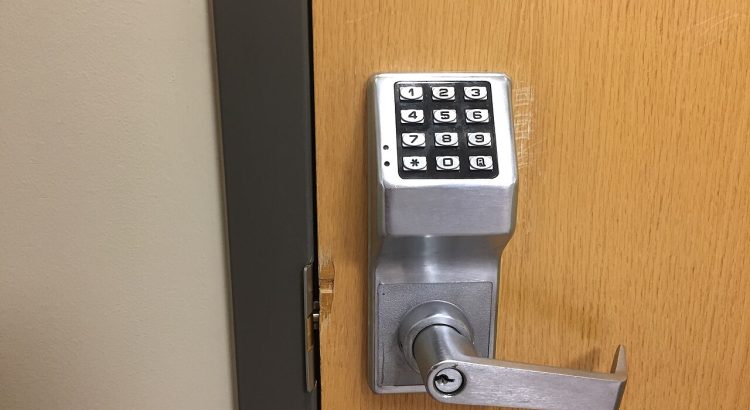
- Plan the access. Choose among keys, a lockbox, or being home, and agree on what happens if a key is lost.
- Cover the alarm. Write down who has codes and who to call if it goes off mid-visit.
Trial Clean and a Written Agreement
- Book one or two paid visits instead of committing to a standing weekly slot right away.
- Watch how the visit runs. Does the cleaner follow your list, ask questions, and handle fragile items with care?
- Give specific feedback. How someone responds to a missed spot tells you more than any reference.
- Ask about substitutions. If you hire through a company, find out whether you can request a different cleaner and whether your schedule continues.
- Put the rate and schedule in writing, even if it is just a follow-up email. Include pay day and the payment method.
- Set a cancellation window for both sides, and agree what happens on holidays, sick days, and vacations.
- Agree on notice and keep records. Decide how much warning either side gives before ending the arrangement, and if the worker is your household employee, save wage records because you may need them for tax filings.
A short written agreement beats a handshake. If a disagreement does not resolve with a conversation, document everything and put your position in writing before escalating.
Keep reading
- Paying a Nanny or Housekeeper: The Tax Rules covers withholding, W-2 forms, and state requirements for household employers in detail.
- What Does a House Cleaning Service Actually Include? helps you compare what different cleaners and companies offer for the same price.
- What Insurance Your Contractor Should Carry explains liability coverage, which matters for anyone doing paid work in your home.
Homeowners ask
Is a housekeeper I hire directly my employee?
Usually yes. The IRS says a worker is your household employee if you control both what work is done and how it is done, and housekeepers are specifically listed as household employees. If the cleaner controls their own methods, brings their own tools, and serves the general public, they are likely self-employed.
What taxes do I owe if my housekeeper is my employee?
If you pay $3,000 or more in cash wages to one household employee in 2026, you generally pay Social Security and Medicare taxes of 7.65% each for you and the worker. Paying more than $1,000 in cash wages in any calendar quarter generally also triggers federal unemployment tax on the first $7,000 of wages.
Can I run a background check on someone I want to hire?
Yes, with rules. If you use a background reporting company, the Fair Credit Reporting Act requires a standalone written disclosure, the person’s written permission, and a copy of the report with a summary of rights if you decline to hire based on it. Some cities and states limit what you can ask.
Should I provide cleaning supplies?
That is your choice, but note that the IRS examples treat providing equipment and supplies as a sign of an employment relationship. Either way, discuss allergies, pets, and surfaces that need specific products before the first visit.